
Experience and references

  • Global project manager at KNAPP with commercial and technical responsibility
  • Delivery in Europe, South America, and the US
  • Operator-side programs across industrial, retail, pharma, and precision manufacturing environments
  • Factory logistics input for architecture and Smart Factory planning
  • Multi supplier environments with internal IT and operations
  • Contexts: GMP and validated environments, ESD, dangerous goods, fire protection, sensitive parts, and high-value components
Shuttle warehouse system for program delivery and commissioning

Supplier landscape familiarity

  • Worked for KNAPP as a global project manager
  • Client-side implementations with Servus, Dematic, Kardex
  • Familiar with Swisslog, Stöcklin, SSI Schäfer, and regional integrators

Project visuals

Selected planning views from layout, material flow, and automation work.

Material flow and layout planning view
Material flow baseline
Robot cell and tote handling planning view
Robot cell discussion
Production logistics and storage planning view
Production logistics
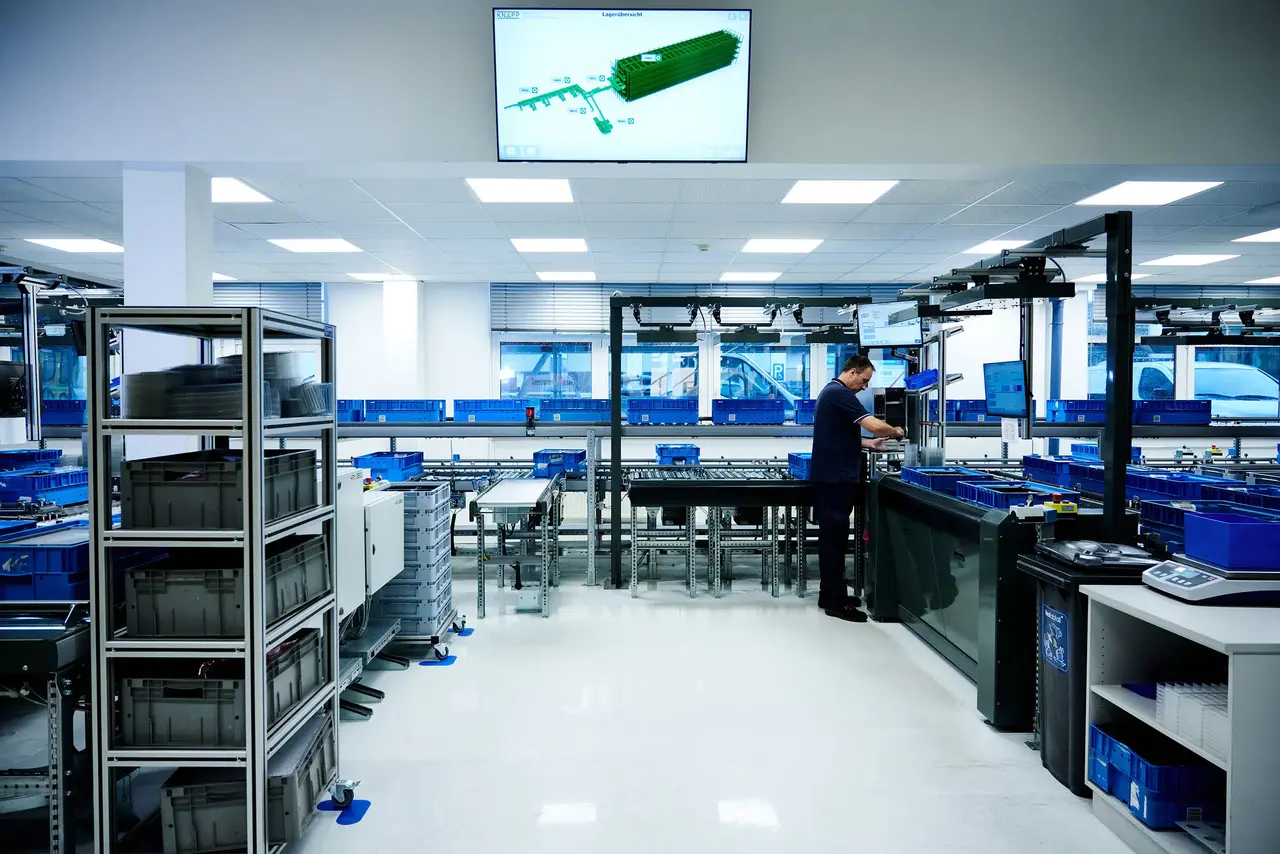
Conveyor and packing station planning view
Packing and conveyor
Automated intralogistics concept with conveyor and work areas
Automation concept
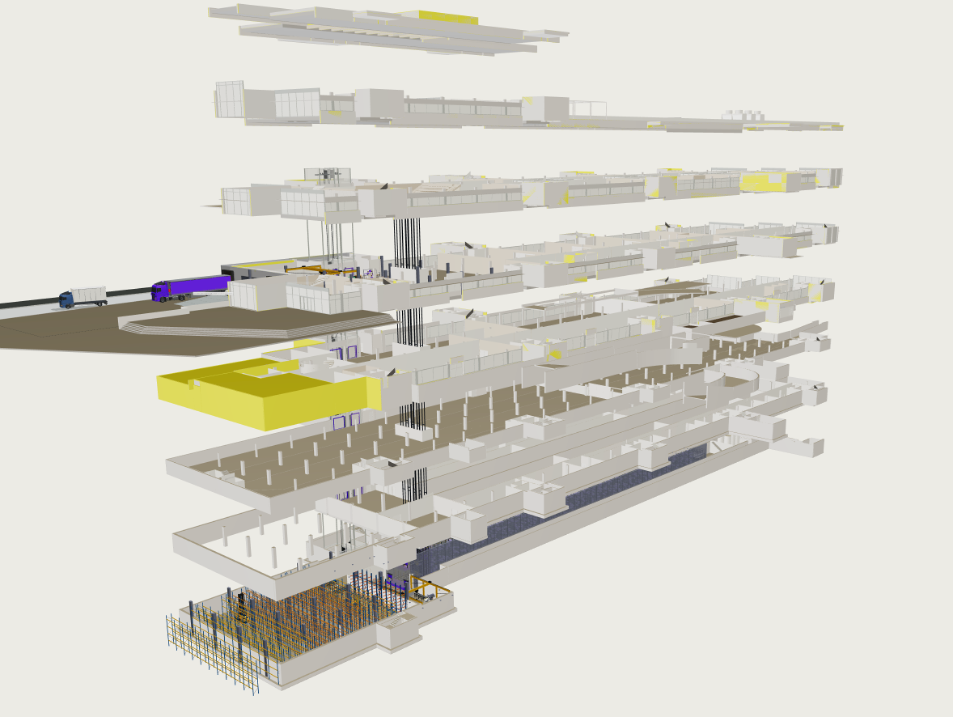
Factory logistics planning view with storage, picking, and production areas
Factory logistics

Selected project patterns

Smart Factory logistics and architecture interface

Context: Swiss precision technology manufacturer planning future production and logistics areas.

Problem: Material flows, functional areas, automation scope, building interfaces, and business case assumptions needed to be made visible before leadership and layout decisions.

What I did: Created logistics planning input, automation scenarios, building-relevant decision lists, 3D discussion material, and assumption control for stakeholders and architects.

Outcome: Clearer planning basis, visible assumptions, and better separation between what to fix now, reserve now, and define later.

Architecture partner for industrial logistics planning

Context: Architecture team needing operator-side logistics input for an industrial building concept.

Problem: Automation footprints, functional areas, dock and staging needs, and internal flows were not stable enough for building planning.

What I did: Defined space needs, flow logic, decision points, and assumptions for warehouse and production logistics interfaces.

Outcome: Improved layout discussions and reduced risk of late redesign.

Greenfield distribution center

Context: Swiss industrial manufacturer with a new automated DC.

Problem: Requirements were incomplete and vendor scopes did not match.

What I did: Built the requirements and tender pack with a scoring model.

Outcome: Comparable offers and a decision-ready recommendation.

GMP site expansion

Context: Global pharma operation in a validated environment.

Problem: Test strategy and acceptance path were unclear.

What I did: Defined test scope, evidence needs, and readiness gates.

Outcome: Structured SAT and acceptance with audit-ready records.

Sensitive high-value parts

Context: Production environment with delicate, high-value, quality-critical components.

Problem: Automation had to support throughput while protecting parts, cleanliness, ESD requirements, and traceability.

What I did: Structured handling classes, protection logic, process boundaries, automation options, and representative test requirements.

Outcome: Concept discussion moved from opinions to part classes, movement rules, and testable assumptions.

Multi supplier integration

Context: DACH B2B retail operation with ERP, WMS, WCS, and automation controls.

Problem: Interface ownership and data mapping were not defined.

What I did: Set the interface matrix and integration test plan.

Outcome: Stable releases and fewer late defects.

Brownfield WMS replacement

Context: Operating DC with legacy WMS and high uptime needs.

Problem: Transition steps and commissioning plan were missing.

What I did: Built a staged transition and acceptance checklist.

Outcome: Controlled commissioning with limited disruption.

Program recovery

Context: Automation program with schedule drift and unclear status.

Problem: Risks and test gaps were not transparent.

What I did: Independent assessment and recovery roadmap.

Outcome: Stabilized plan with clear decision points.

Technology and systems

  • WMS, WCS, ERP and interface integration
  • ASRS, shuttle, AutoStore, conveyor, sorter, AMR
  • PLC and controls interfaces
  • Material flow and capacity models
  • Factory logistics, docks, shafts, clear heights, floor loads, HSE and fire protection interfaces
  • Sensitive parts, clean intralogistics, ESD, load carriers, inlays and robot-pickability
  • FAT, SAT, SIT, UAT and acceptance planning
  • Data templates, mapping, and operational KPIs

Typical project profile

  • CAPEX: CHF 5m to 100m
  • Pallet positions: 1,500 to 30,000
  • Tote or carton positions: 15,000 to 200,000
  • Throughput: 500 to 10,000 order lines per hour